
Cats may drool for simple, harmless reasons like relaxation or excitement, but unusual or sudden drooling often signals an underlying issue that deserves attention. When cat drooling appears out of nowhere or becomes excessive, it usually indicates discomfort, stress, dental issues, or another medical concern that needs prompt evaluation from a veterinarian. Understanding why cats drool and what those changes might mean helps pet owners respond quickly and confidently if something seems off.
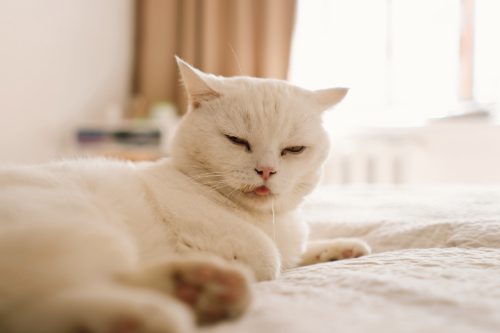
Why Some Cats Drool and When It Signals a Concern
Cat drooling has a wide range of causes, and each one presents differently depending on your cat’s age, health history, and behavior. Many cats drool a little when they’re relaxed, purring, or settling into a cozy spot. This light drooling is typically harmless and stops once they shift out of that blissed-out state. However, excessive drooling or saliva paired with behavior changes, pawing at the mouth, or hiding should catch your attention. These signs might point to a dental issue, stress response, or another problem that needs a veterinarian’s insight.
Some cats also develop drooling when they experience nausea, mouth irritation, or sudden anxiety. It works as a natural reflex, but it often indicates an underlying trigger that needs follow-up. If a cat starts drooling heavily or more frequently than normal, scheduling an exam at Northwoods Veterinary Clinic helps you understand what is going on and what steps come next. For personalized support, call (843) 553-0441 or request an appointment online.
Common Dental-Related Causes of Cat Drooling
Dental health plays a major role in your cat’s comfort, and many oral concerns show up first through drooling. Because cats instinctively hide signs of discomfort, drooling becomes one of the earliest visible changes a pet owner may notice.
Periodontal Disease and Gum Inflammation
Periodontal disease is very common in adult cats, and it often starts silently. Plaque builds along the gumline and eventually hardens into tartar, which causes gum irritation and discomfort. As inflammation progresses, bacteria increase, and drooling becomes more obvious. Cats may also develop bad breath, decreased interest in food, or sensitivity when chewing. These small shifts in behavior often appear long before a pet stops eating altogether, so paying attention to drool changes can provide early insight.
Tooth Resorption and Oral Pain
Tooth resorption occurs when the tooth structure gradually breaks down, causing discomfort that leads to visible drooling. Many cats with this condition also show subtle signs like shaking their head, chewing more slowly, or avoiding crunchy food. While pet owners cannot diagnose this on their own, spotting changes in drool volume or noticing red gums can help guide next steps. A veterinary dental exam offers clarity and gives your cat the relief they deserve.
Mouth Injuries or Oral Masses
Objects stuck in the mouth, small cuts from chewing on something sharp, or the presence of an oral mass can all lead to drooling. Sometimes the change is sudden, and sometimes it develops gradually. Cats might paw at their face, hide more frequently, or appear worried when trying to eat. An oral exam at Northwoods Veterinary Clinic can quickly determine whether an injury or mass is contributing to your cat’s symptoms.
Behavioral and Environmental Triggers for Drooling
Cats interact with their environment through scent, taste, and grooming. Occasionally, something in their surroundings causes drooling that relates more to behavior than to a dental condition.
Stress, Anxiety, or New Situations
Stress can trigger drooling in sensitive cats, especially during car rides, vet visits, loud events, or unfamiliar situations. When stressed, some cats produce extra saliva as their bodies try to cope with the sudden shift. While the drooling itself may stop once the environment settles, ongoing anxiety or repeated episodes often benefit from a discussion with our veterinary team. Tracking when the drooling occurs can help identify stress patterns and possible triggers.
Excitement or Deep Relaxation
Some cats drool when they are incredibly relaxed, content, or purring intensely. This is similar to how some kittens drool while kneading during nursing. If this happens only during calm moments and stops once your pet moves around again, it’s typically nothing to worry about. Still, it helps to know your cat’s normal behavior so you can spot unexpected changes.
Responses to Certain Smells or Tastes
Cats often react strongly to unusual scents, bitter flavors, or unfamiliar textures. If your cat encounters something unpleasant through grooming or exploration, they may drool temporarily. This usually resolves on its own, but any drooling that continues or appears alongside sudden behavior changes should be evaluated.
Health Conditions That Can Lead to Cat Drooling
Beyond dental and behavioral reasons, several health issues may cause excessive drooling. These conditions vary widely, but drooling often becomes one of the first visible indicators that something feels off for your cat.
Nausea or Gastrointestinal Discomfort
Cats experiencing nausea often drool more than usual because salivation increases as their stomach becomes unsettled. Pet owners may notice pacing, lip-licking, or decreased interest in food. These signs can point to a variety of underlying causes, and because nausea tends to recur, it’s important to identify what might be contributing to the change.
Kidney Concerns or Systemic Illness
Systemic illnesses sometimes lead to drooling, especially when they affect your cat’s appetite or energy levels. Cats with kidney-related concerns may drool due to nausea or changes in their metabolism. These conditions often develop subtly, which makes early recognition especially helpful.
Oral Ulcers or Irritation
Ulcers in the mouth can form for several reasons and often lead to drooling, decreased appetite, and sensitivity around the face. Cats with oral irritation sometimes avoid certain types of food, act uncomfortable when eating, or suddenly resist grooming. Observing these subtle shifts in your cat’s behavior can help guide next steps with your veterinary team.
Diagnostic Tools Veterinarians Use to Assess Cat Drooling
Understanding what causes your cat to drool requires a full exam and a clear view of their overall health. Veterinarians use several tools and techniques to explore possible causes and create an informed plan for your pet.
Thorough Physical and Oral Examination
The first step is a complete physical exam, which includes checking your cat’s mouth, gums, and teeth for inflammation, injury, or structural changes. Your veterinarian pays close attention to the size of the salivary glands, the condition of the tongue, and whether the mouth shows signs of irritation. This process helps them uncover issues that may not be visible at home.
Diagnostic Imaging and Lab Testing
If the initial exam reveals more complex concerns, your veterinarian may recommend imaging or lab work to gain more detail. These tests can highlight internal changes, confirm the presence of underlying conditions, or rule out other possibilities. Each piece of information helps our veterinary team guide the next steps to support your cat’s comfort and health.
Behavioral and Environmental Assessment
In some cases, the cause of drooling relates more to emotional triggers than medical ones. Your veterinarian may ask questions about recent changes in the home, changes in food, or stress-inducing events to better understand whether the drooling is behavior-based. This broader picture helps ensure all potential factors are considered.
Supporting Your Cat’s Wellness When Drooling Begins
When you notice new or unusual drooling, taking action early helps your cat get the support they need. Monitoring their behavior, appetite, and energy provides helpful clues for your veterinarian and allows for a smoother evaluation. Any sudden increase in drooling, especially when paired with changes in eating, hiding, or discomfort, should lead to a visit at Northwoods Veterinary Clinic. For guidance tailored to your pet’s needs, call (843) 553-0441 or schedule an appointment online.