
Cat nails serve many purposes, from helping cats climb and stretch to supporting balance and self-defense. While these claws grow continuously, they do not always wear down evenly, especially for indoor cats. That is where thoughtful cat nail care becomes part of routine wellness. Learning how cat nails grow, how trimming fits into everyday care, and when professional help makes sense can reduce damage to furniture, prevent painful overgrowth, and support your cat’s comfort over time.
This guide explains what pet owners should know about cat nails, including why maintenance matters and what signs deserve attention. Whether you have a playful kitten or a senior cat who naps more than climbs, understanding nail care helps you make informed decisions and know when to call us at (843) 553-0441 or schedule an appointment online with Northwoods Veterinary Clinic.
Why Proper Cat Nail Care Is So Important
Cat nails grow in layers, with the outer sheath shedding as new growth forms underneath. In the wild or for highly active outdoor cats, natural scratching and climbing help manage this growth. Indoor cats, however, often rely on household surfaces or scratching posts, which may not provide consistent wear. Without regular attention, cat nails can become overly long, curved, or sharp.
Overgrown nails may snag on carpeting, bedding, or furniture. In some cases, nails curl toward the paw pad, leading to irritation or infection. Nail length also affects posture and movement. When nails extend too far, cats may shift their weight unnaturally, which can impact joints and mobility over time.
Proper nail care also supports positive interactions at home. Trimming reduces accidental scratches during play or handling and can make grooming sessions calmer. While cat nails are a small detail in the bigger picture of feline care, staying aware of their condition helps prevent avoidable problems and supports your cat’s daily comfort.
How to Safely Trim Your Cat’s Nails at Home
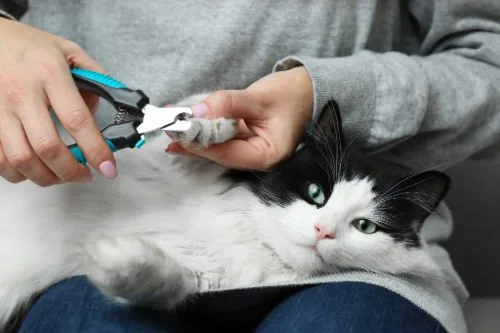
Trimming cat nails at home works best when approached with patience and realistic expectations. Many cats tolerate brief handling sessions better than long grooming routines. Creating a calm environment, choosing a quiet time of day, and handling paws gently can make the process smoother for everyone involved.
Before trimming, it helps to understand the structure of cat nails. Each nail includes a pink area called the quick, which contains nerves and blood vessels. The goal is to trim only the sharp, clear tip and avoid the quick. Cats with light-colored nails make this easier to see, while darker nails require extra caution and shorter trims.
Pet owners often find success by breaking nail care into manageable steps:
- Handling and gently pressing the paw to extend the nail
- Trimming one or two nails at a time rather than all at once
- Offering breaks between paws to reduce stress
Scratching posts and pads also play an important role. These tools allow cats to shed outer nail layers naturally and help reduce sharp edges between trims. While home trimming can work for some cats, others remain resistant despite best efforts. In those cases, professional nail trims offer a low-stress alternative.
What to Do If You Cut Too Short
Accidentally trimming too close to the quick can happen, even with care and experience. When this occurs, the nail may bleed and cause discomfort. Staying calm is important, as cats often react more to the handler’s response than the sensation itself.
If a nail is cut too short, gentle pressure can help slow bleeding, as can an application of styptic powder. Keeping your cat still and providing reassurance helps prevent further injury. While minor incidents usually resolve quickly, repeated difficulty with trimming may signal that at-home nail care is not the best option for your cat.
This experience often highlights the value of professional support. Veterinary teams handle nail trims regularly and know how to work efficiently with cats of different temperaments. If trimming feels stressful or unpredictable, calling us at (843) 553-0441 to schedule a professional nail trim can reduce risk and make the process easier for both you and your cat.
The Dangers of Declawing and Humane Alternatives
Declawing is a surgical procedure that removes the last bone of each toe, not just the nail itself. Because cat nails are deeply integrated into the structure of the paw, declawing alters normal anatomy and movement. Many veterinary professionals and animal welfare organizations discourage this practice due to its long-term physical and behavioral effects.
Cats rely on their nails for balance, stretching, and communication. Removing them can lead to chronic discomfort, changes in gait, and increased stress. Some cats develop avoidance behaviors or become less active following declawing, which affects quality of life.
Humane alternatives focus on managing cat nails rather than removing them. These options include:
- Regular nail trimming to keep claws blunt
- Providing multiple scratching surfaces with varied textures
- Using protective nail caps when appropriate
These approaches allow cats to retain natural behaviors while minimizing damage to household items. Understanding the role cat nails play helps pet owners choose solutions that support both comfort and safety without permanent changes.
Common Cat Nail Problems to Watch For
Cat nails can develop issues that are easy to miss without regular observation. Checking your cat’s paws every few weeks helps you notice changes early. Problems often start subtly and progress if left unaddressed.
Some common concerns include nails that grow into the paw pad, split or brittle nails, and swelling around the nail bed. Older cats and those with limited mobility face higher risk because they scratch less often. Changes in nail color or thickness may also occur with age or underlying conditions.
Watch for these signs during routine handling:
- Limping or reluctance to jump or climb
- Excessive licking or chewing at the paws
- Visible redness or discharge near the nails
Noticing these changes early allows you to address them promptly. If something seems off, professional evaluation provides clarity and next steps. Nail issues may look minor, but they can affect comfort and movement if ignored.
When to Schedule a Professional Nail Trim
Professional nail trims suit many cats, especially those who resist handling or have dark nails that make trimming difficult. Veterinary teams work efficiently and can often complete trims quickly, which limits stress for your cat. Regular visits also create a routine that helps cats become more comfortable over time.
Kittens benefit from early exposure to professional grooming, while senior cats often need help as mobility changes. Cats with arthritis or other joint concerns may struggle with home trimming, making professional care a practical choice.
Scheduling a nail trim may be appropriate if you notice:
- Frequent snagging or broken nails
- Signs of discomfort during walking or climbing
- Ongoing stress during at-home grooming attempts
If you are unsure whether your cat needs a trim or how often to schedule one, call us at (843) 553-0441 or schedule an appointment online. Our team can help you determine the right approach based on your cat’s lifestyle and needs.
Healthy Paws Start With Thoughtful Care
Cat nails may seem like a small detail, but they influence comfort, mobility, and daily behavior more than many pet owners realize. Regular observation, appropriate trimming, and knowing when to seek professional help all support a positive grooming experience over time. Whether you manage nail care at home or prefer expert assistance, staying informed helps you make confident decisions.If you have questions about cat nails or want to schedule a professional nail trim, call us at (843) 553-0441 or schedule an appointment online with Northwoods Veterinary Clinic. Our team is here to support your cat’s care through every stage of life.