
Cat teeth reveal far more than a pretty smile. Your cat’s teeth help them eat, groom, communicate, and defend themselves. Teeth also offer important clues about comfort, age, and overall health. When pet owners understand what healthy cat teeth look like—and what changes signal trouble—they gain a clearer picture of their cat’s daily experience. This guide explains what is normal with cat teeth, what is not, and why your cat’s teeth deserve consistent professional attention. If you ever have questions about your cat’s teeth, Northwoods Veterinary Clinic in North Charleston, SC is available at (843) 553-0441 or by scheduling an appointment online.
Why Cat Teeth Matter More Than Most Owners Realize
Cat teeth influence every part of a cat’s routine. Your cat’s teeth allow them to tear food, maintain grooming habits, and interact comfortably with their environment. Healthy cat teeth also support healthy gums, jaw structure, and digestion. When the teeth suffer, many cats hide discomfort, which allows dental disease to progress unnoticed. Because teeth problems often develop quietly, regular awareness becomes essential for early detection.
Cats use their teeth differently than dogs. Cats’ teeth are sharper, narrower, and designed for slicing rather than grinding. This design means their teeth collect plaque in tight spaces that are difficult to see. Over time, plaque hardens into tartar, which irritates gums and destabilizes the teeth. Without professional care, this cycle leads to pain, infection, and tooth loss.
Understanding your cat’s tooth structure helps owners recognize subtle changes before problems escalate. Your cat’s teeth include incisors, canines, premolars, and molars. Each type of tooth plays a specific role in feeding and grooming. When even one group of teeth becomes compromised, your cat may change eating habits or grooming behavior without obvious signs.
What Healthy Teeth Look Like
Healthy cat teeth appear clean, white to slightly off-white, and firmly rooted in pink gums. Your cat’s teeth should not show heavy yellow or brown buildup along the gumline. They should also align properly without crowding or visible fractures. When you view your cat’s teeth closely, the gums should look smooth, not swollen or bleeding.
Healthy Gums Around Teeth
Healthy gums surrounding the teeth remain pink and tight. Redness, swelling, or bleeding around the teeth often signals early inflammation. Because your cat’s teeth rely on gum support, even minor gum irritation can destabilize their teeth over time.
Consistent Bite and Jaw Comfort
Cat teeth should meet comfortably when your cat closes their mouth. Uneven wear on their teeth or visible jaw tension may suggest misalignment or discomfort. A relaxed jaw supports proper cat teeth function and reduces strain on surrounding structures.
What Is Normal Wear on Your Cat’s Teeth
Some natural wear on cat teeth occurs with age. Slight dulling at the tips of the teeth or minimal discoloration can appear in senior cats. These changes reflect normal use of teeth rather than disease. However, even normal aging teeth benefit from routine professional evaluation. Cats that eat dry food may show different wear patterns on their teeth compared to cats eating wet food. Both patterns can remain healthy if gums stay stable and the teeth remain firmly attached. The key factor is not color alone, but the overall stability of their teeth and comfort during eating.
What Is Not Normal for Cat Teeth
When cat teeth show significant discoloration, loose positioning, or missing structure, these changes usually indicate disease. Broken teeth expose sensitive inner layers and increase infection risk. Excessive tartar on the teeth creates an environment where bacteria thrive.
Bad Breath
Persistent odor often reflects bacteria around the teeth and gums. While mild odor can occur, strong or worsening breath often signals advanced dental disease. This symptom frequently accompanies gum inflammation and plaque buildup.
Dropping Food or Chewing on One Side
Cats experiencing tooth discomfort may avoid certain chewing motions. They may drop food, chew slowly, or favor one side. These behaviors often point directly to painful teeth or gum irritation.
Facial Swelling and Cat Teeth Infection
Swelling near the jaw or under the eye can connect to infected tooth roots. These infections may remain hidden until swelling appears. Prompt professional evaluation protects surrounding tissues and prevents further complications.
Common Dental Conditions Affecting Cat Teeth
Your cat’s teeth face several common conditions that affect comfort and function.
Periodontal Disease in Cat Teeth
Periodontal disease affects the tissues that support your cat’s teeth. It begins with plaque and advances into gum destruction and bone loss. As periodontal disease progresses, the teeth loosen and eventually fall out.
Tooth Resorption
Tooth resorption affects your cat’s teeth by slowly dissolving their structure. Many cats develop this painful condition without visible signs until advanced stages. Tooth resorption often requires professional treatment to protect the remaining teeth.
Fractured Teeth
Fractures expose the sensitive interior of your cat’s teeth. Even small fractures create infection pathways. Cats with fractured teeth may hide pain while the damage progresses internally.
How Cat Teeth Affect Overall Health
Cat teeth influence more than the mouth. Infected teeth release bacteria into the bloodstream. These bacteria may affect the heart, kidneys, and liver. Healthy teeth therefore support full-body wellness. When cats avoid eating due to painful teeth, they risk weight loss and nutritional imbalance. Grooming habits may decline, leading to coat issues. Behavior may also change as discomfort from their teeth increases irritability or withdrawal. Because cats instinctively mask pain, dental disease often becomes severe before detection. Professional dental evaluations allow veterinarians to assess your cat’s teeth beneath the gumline, where most problems begin.
Why Professional Dental Care Matters
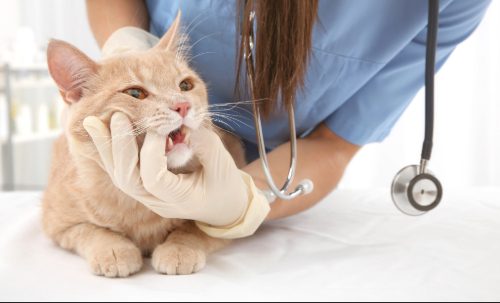
Professional dental care protects your cat’s teeth far beyond what visual checks can accomplish. Veterinary dental evaluations assess each tooth’s surface, gum pocket depth, and root stability. Imaging allows veterinarians to see hidden damage beneath the teeth. Routine dental services help preserve the teeth, reduce infection risk, and maintain comfort. Early professional intervention often prevents advanced disease that requires extractions. Northwoods Veterinary Clinic in North Charleston, SC provides comprehensive dental evaluations for cat teeth. Our team understands how to assess your cat’s teeth gently while minimizing stress for feline patients.
How Age Influences Cat Teeth
Kittens begin developing teeth early, transitioning from baby teeth to adult teeth by six months of age. Monitoring this transition helps ensure adult cat teeth align properly. Adult cats rely on consistent dental monitoring to protect their teeth from plaque buildup. Senior cats require additional attention because aging tissues weaken support structures around their teeth. Each life stage presents unique risks for cat teeth, which makes lifelong professional care essential.
The Emotional Impact of Tooth Comfort
Comfortable cat teeth support confident behavior. Cats with healthy teeth eat normally, groom thoroughly, and interact comfortably with their families. When their teeth hurt, cats often withdraw, hide, or reduce activity. Protecting their teeth protects quality of life. Dental comfort allows cats to express natural behaviors without limitation.
Choosing the Right Veterinary Partner for Cat Teeth
Veterinary teams with feline experience understand how to evaluate cat teeth gently and thoroughly. A calm environment helps cats tolerate dental assessments more easily. Clear communication helps owners understand cat teeth conditions and care recommendations.
Northwoods Veterinary Clinic offers compassionate dental care for cat teeth in North Charleston, SC. Our team focuses on patient comfort, precise diagnostics, and long-term dental health planning.
Supporting Your Cat’s Dental Health Journey
Cat teeth deserve consistent professional attention throughout life. Monitoring your cat’s teeth helps detect changes early and protects comfort. Professional evaluations provide insight that visual checks alone cannot offer. If you have concerns about your cat’s teeth, or if it has been time since your cat’s last dental evaluation, contact Northwoods Veterinary Clinic at (843) 553-0441 or schedule an appointment online. Our team will help you understand your cat’s teeth condition and plan appropriate care.