
Cats are known for their independence and low-maintenance lifestyles, but one thing they often don’t do well on their own is stay hydrated. Whether your cat loves dry food or prefers lounging in the sun over visiting the water bowl, understanding their daily water intake can help you support their long-term health. So, how much water should a cat drink a day, and why does it matter? This guide breaks down how hydration works in cats, what affects their water needs, signs of dehydration, and when to talk to your veterinarian. Let’s explore everything you need to know about supporting your cat’s hydration.
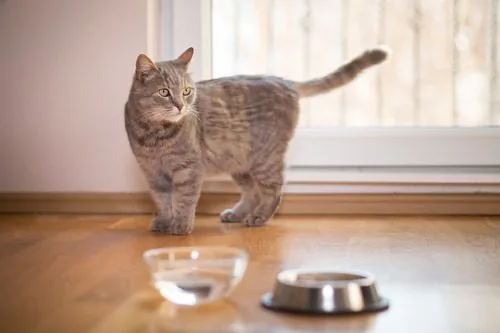
How Much Water Should a Cat Drink a Day?
Cats should generally drink about 3.5 to 4.5 ounces of water per 5 pounds of body weight each day. That means a 10-pound cat typically needs around 7 to 9 ounces of water daily. However, many factors like diet, age, activity level, and even the weather can influence how much water your cat actually needs.
For example, cats who eat dry food often need to drink more because dry kibble contains very little moisture. On the other hand, cats who eat canned food may drink less because canned diets are made up of about 70–80% water. The question “How much water should a cat drink a day?” doesn’t have a one-size-fits-all answer. It’s more of a guideline to help you watch for patterns and make sure your cat isn’t becoming dehydrated or overhydrated, both of which can signal underlying health concerns.
Why Hydration Matters for Your Cat’s Health
Water plays a vital role in every system of your cat’s body. From digestion and circulation to organ function and temperature regulation, hydration supports key physiological processes. When your cat doesn’t get enough water, problems can arise quickly.
Internal Functions Supported by Water
- Kidney function: Proper hydration helps flush waste through the kidneys and supports urinary health.
- Digestion: Water assists in moving food through the digestive tract and absorbing nutrients.
- Joint and muscle function: Water keeps tissues flexible and helps cushion joints.
- Temperature regulation: Cats don’t sweat like humans do. Water helps maintain their internal temperature.
Even mild dehydration can cause discomfort and health complications over time. Chronic dehydration can lead to urinary tract infections or crystals, especially in cats that eat only dry food. That’s why understanding how much water a cat should drink a day is so important for preventive care.
What Affects a Cat’s Daily Water Needs?
Not every cat needs to drink the same amount of water. Several lifestyle and physiological factors can change your cat’s hydration requirements.
Diet Type
- Dry Food: Contains around 10% moisture. Cats on dry diets need to drink significantly more water to stay hydrated.
- Canned Food: Contains up to 80% moisture, reducing the need for additional water.
- Raw or Fresh Food: Often falls between canned and dry in terms of moisture content.
Age and Life Stage
- Kittens and senior cats are more vulnerable to dehydration.
- Older cats, especially those with kidney issues, may need extra water support.
- Nursing cats need more hydration to support milk production.
Activity Level and Environment
- Active indoor cats and outdoor cats in warm climates lose water faster through panting or increased metabolism.
- Heating and air conditioning systems can reduce humidity and increase water needs.
If you’re ever unsure about your cat’s specific needs, your veterinarian at Northwoods Veterinary Clinic in North Charleston can help assess hydration in the context of your cat’s overall health. Call us at (843) 553-0441 or schedule an appointment online to speak with our team.
Signs Your Cat May Not Be Drinking Enough Water
Cats tend to hide discomfort well, so dehydration can develop quietly. Knowing the signs can help you catch an issue early and take action.
Common Symptoms of Dehydration
- Dry gums or sticky saliva
- Sunken eyes
- Lethargy or weakness
- Loss of appetite
- Panting
- Skin tenting (skin doesn’t quickly return to normal after gently pulling it up)
Cats who drink too little water may also have concentrated urine or trouble using the litter box. If you notice these signs, contact your vet to determine the next step. While these signs might not always point to a serious problem, they’re worth evaluating.
How to Encourage Your Cat to Drink More Water
Some cats are naturally finicky drinkers. Fortunately, there are several ways to make water more appealing to them.
- Try a Water Fountain: Many cats prefer moving water. Pet water fountains mimic the flow of a stream and may encourage cats to drink more often.
- Offer Multiple Water Stations: Place water bowls in different rooms, especially in multi-level homes. Accessibility increases the chances your cat will drink throughout the day.
- Use the Right Type of Bowl: Avoid plastic bowls, which can hold onto odors and bacteria. Stainless steel and ceramic bowls tend to be more appealing and easier to clean.
- Add Water to Food: Mixing water into dry kibble or adding extra liquid to canned food boosts hydration without requiring extra effort from your cat.
Can Cats Drink Too Much Water?
While drinking too little water can be a concern, so can drinking more than usual. Excessive thirst, also known as polydipsia, can indicate an underlying health condition.
Conditions Associated with Excessive Thirst
- Kidney disease
- Diabetes
- Hyperthyroidism
- Urinary tract infections
If you notice your cat drinking and urinating more than usual, it’s time for a veterinary evaluation. These symptoms don’t always mean something serious, but they do warrant attention. Northwoods Veterinary Clinic is here to help if you observe any changes in your cat’s drinking habits.
When to Talk to Your Veterinarian About Water Intake
Tracking how much water your cat drinks each day may not be easy, but observing their habits and noting any changes is key. If you’re frequently wondering, “How much water should a cat drink a day?”, especially in relation to your own pet, it’s worth reaching out to your veterinarian.
We encourage you to schedule an appointment if you observe:
- A noticeable drop in water consumption
- Sudden or ongoing increase in thirst
- Accompanying changes in appetite, energy, or litter box habits
You know your cat better than anyone. If something feels off, give us a call at (843) 553-0441 or schedule a visit online. Our veterinary team in North Charleston is happy to answer your questions and perform a wellness check to make sure everything is on track.