
A smiling dog describes the relaxed, open-mouthed expression many dogs display when they feel content, calm, and comfortable. Pet owners often associate this look with happiness, and in many cases, that interpretation is correct. A smiling dog typically shows soft eyes, a loose body, and an easy-going posture, all of which signal emotional comfort. Still, some dogs express similar facial cues for other reasons, so understanding the context behind your dog’s grin helps you interpret their mood more accurately.
This guide explains what a smiling dog may be communicating, how to read related body language, and when a change in its expression warrants a closer look. If you ever have questions about your dog’s behavior or comfort, Northwoods Veterinary Clinic in North Charleston can help. Call (843) 553-0441 or schedule an appointment online.
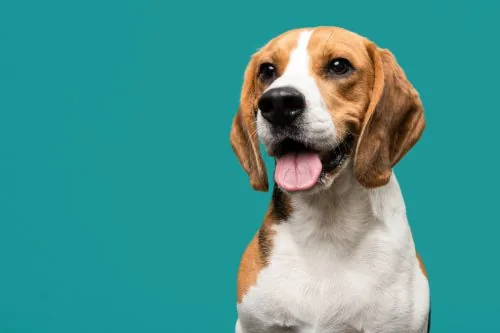
Why Dogs “Smile”: Understanding What the Expression Means
A smiling dog often shows a combination of facial and body cues that signal emotional comfort. Many dogs open their mouths slightly when they relax, creating a smile-like expression. When paired with calm eyes and a loose posture, this look usually reflects genuine happiness. Because canine communication relies heavily on physical cues rather than facial expressions alone, dog owners benefit from reading the whole picture rather than focusing on the mouth.
Relaxed Muscles and an Open Mouth
A dog may look like it’s smiling simply because its facial muscles are loose and comfortable. A soft jaw and lightly open mouth help dogs regulate heat and support natural breathing. When dogs feel content, they often let their facial muscles relax completely, which creates a curved mouth shape that resembles a human smile. Observing the rest of the body helps confirm this mood, especially if you also notice calm tail movement and an easy posture.
Soft Eyes and Body Posture Reinforce the Meaning
A true smiling dog displays soft, blinking, or almond-shaped eyes that follow you with interest but without tension. The rest of their body tends to mirror this mood, offering clues such as lowered shoulders, neutral ears, and a steady tail wag. These details matter because a dog can open its mouth for many reasons, but only a relaxed overall posture supports the interpretation of happiness or comfort.
Social Engagement and Affection
Some dogs show a smiling expression when they feel playful or eager to engage with the people they trust. This look often appears during greeting rituals, training sessions, or moments of affection. Dogs learn which expressions earn positive responses from their families, so they may repeat this behavior as a form of social bonding. This type of smile typically appears alongside excited tail wags, gentle nudges, and friendly vocalizations.
Heat Regulation and Panting
A smiling mouth may also reflect panting, especially after exercise or outdoor activity. Panting is a natural way for dogs to manage body temperature. In these moments, the dog’s smile may not be tied to an emotional state, but to physical needs instead. The key difference lies in the eyes and body posture: relaxed eyes and loose muscles tend to indicate comfort, while tight muscles and intense panting may indicate exertion or stress.
The Difference Between a Happy Smile and Other Look-Alike Expressions
Not every open-mouthed expression signals happiness, which is why context matters so much when interpreting a smiling dog. Understanding how dogs communicate through posture, ear position, and tail movement helps you distinguish between emotional states.
Panting from Activity or Temperature
Heat can cause dogs to pant heavily, making their mouths appear curved and smile-like. In warm North Charleston weather, this happens often during walks or after outdoor play. Panting dogs usually stand with their tongues extended and may breathe rapidly. Their eyes may be more alert, and their posture may stay upright rather than relaxed. This look differs from a happy smile because it reflects the dog’s need to cool down.
Stress-Related Expressions
Dogs sometimes show an open mouth when they feel uncertain. Stress can cause their lips to pull back slightly, creating a tense version of a smile. Unlike a comfortable dog, a stressed dog keeps its ears pinned back, holds its tail low, or avoids eye contact. The posture also tends to stiffen, and the dog may pace or withdraw from touch. Understanding these differences helps pet owners support their dogs in situations that feel overwhelming.
Submission or Appeasement Gestures
Some dogs raise their lips to expose their teeth as a submissive gesture. This expression may appear similar to a smile, but it carries a different meaning. A dog that uses appeasement gestures often crouches slightly, looks away, or lowers its tail. Pet owners may see this during social introductions or new experiences. This gesture signals respect or reassurance rather than joy.
Reading the Whole Picture: How to Decode Smiling Dog Body Language
When interpreting your dog’s smile, the full body tells the story. Every dog communicates through a combination of facial cues, posture, and movement.
Tail Movement and Position
Tail language is one of the strongest indicators of a dog’s emotional state. A happy dog typically holds its tail in a neutral, gently wagging position. The wag often comes from the hips and moves naturally with the body. A stiff tail, tucked tail, or rapid flicking motion signals a very different experience. Because tails work alongside facial cues, combining these observations clarifies what your dog is actually feeling.
Ear Position and Facial Tension
Ears provide valuable clues. Relaxed, neutral ears suggest comfort and harmony. Ears pinned back may indicate worry or appeasement, even if the dog’s mouth appears curved. Forward-pointed ears show attention or alert interest. The muscles around the eyes and forehead give additional context: soft wrinkles and blinks often reflect calmness, while rigid brows or widened eyes may reflect alertness or uncertainty.
Body and Weight Distribution
A smiling dog with loose shoulders and relaxed limbs typically feels comfortable. If the dog leans forward, stiffens, or stands on its toes, it may be showing curiosity, alertness, or mild tension. A lowered body, crouched movement, or sideways posture may indicate submission or uncertainty. Body language works as a full system, so interpreting every element collectively offers the clearest insight.
Why Some Dogs Seem to Smile More Than Others
Dogs have individual personalities and communication styles, and some breeds naturally display smiling expressions more frequently. Family history, socialization, and temperament all influence how a dog chooses to show emotion.
Breed-Specific Expressions
Certain breeds, such as Samoyeds, Golden Retrievers, and Pit Bulls, commonly appear to smile due to their natural facial structure. Their mouths curve upward at rest, giving them a happy appearance even when they are simply relaxed. Owners often interpret this expression as joy, which can strengthen the bond between families and their pets.
Temperament and Social Confidence
Dogs with outgoing personalities may smile more because they enjoy active engagement. These dogs thrive on interaction and display expressive body language to connect with their families. More reserved dogs may only show a smiling expression during very relaxed moments or familiar routines.
Learned Behavior Over Time
Dogs quickly learn which expressions receive positive reactions from their families. If a dog smiles and sees the owner respond with affection, praise, or attention, the dog may repeat this behavior more often. This type of learning strengthens the bond between dogs and their humans and reinforces the dog’s communication style.
When a Change in Your Dog’s Smile Warrants Attention
Most smiling dog expressions reflect joy, relaxation, or social connection. However, sudden changes in how your dog holds its mouth, facial muscles, or posture may signal discomfort or behavioral stress. Dogs communicate through subtle shifts, so paying attention to what’s normal for your pet helps you recognize when something feels off.
A dog that usually smiles may stop showing its relaxed expression, withdraw from interaction, or display a tense version of its smile. Changes in appetite, mood, or daily behavior also reveal how your dog feels. Observing the full pattern gives you helpful insight into whether your dog may benefit from a check-in with your veterinarian.
Northwoods Veterinary Clinic supports pet owners who want to understand their dog’s behavior and overall comfort. If you have questions about your dog’s expression or notice unexpected changes, call (843) 553-0441 or schedule an appointment online.