
Dogs may eat cat poop for several reasons, including curiosity, natural scavenging instincts, hunger, behavioral patterns, or underlying medical or nutritional issues. This behavior, known as coprophagia, is more common than many pet owners realize and can occur in households where dogs and cats share space. When pet owners wonder, “Why do dogs eat cat poop?” it’s because they’re often worried, confused, or embarrassed. While the habit isn’t appealing, it often has understandable causes that can be managed with the right support from our veterinary team. If your dog regularly raids the litter box or shows sudden changes in behavior, Northwoods Veterinary Clinic in North Charleston can help evaluate what may be driving the behavior. Call (843) 553-0441 or schedule an appointment online to discuss your dog’s needs.
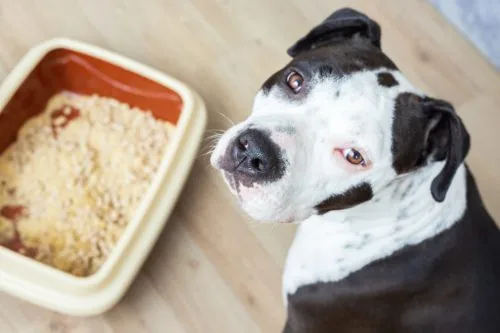
Understanding Why Dogs Are Drawn to the Litter Box
Dogs experience the world through scent, and the odor of used cat litter can be surprisingly attractive. This habit often starts with simple curiosity, but once a dog realizes the litter box is a source of accessible “treasure,” it may become a repeated behavior. Many dogs view cat stool as a high-value find due to its strong smell and undigested nutrients leftover from a cat’s high-protein diet. Some dogs investigate out of boredom, while others develop the behavior due to routine changes or stress. When you look carefully at the reasons behind this habit, patterns often emerge. Each contributing factor plays a role in shaping what seems like a strange canine choice but actually connects to natural instincts.
Natural Scavenging Behavior
The most common explanation goes back to a dog’s ancestry. Wild canines survived by searching for food wherever they could find it, which included various sources of waste. This instinct remains in modern dogs, even well-fed ones. To a dog, cat waste may simply seem like a normal part of scavenging behavior, especially if they find it often enough to consider it a reward.
High-Protein Attraction
Cats eat protein-dense diets, so their stool often contains leftover nutrients. Dogs may detect these nutrients by scent, which can make litter box snacks surprisingly enticing. Even dogs that eat balanced diets may still follow their noses when the opportunity arises.
Medical and Nutritional Reasons Behind This Behavior
While many dogs eat cat poop due to instinct or curiosity, certain medical conditions can also influence the behavior. Pet owners wondering, “Why do dogs eat cat poop?” often want to rule out potential health concerns, and that’s a wise step. Northwoods Veterinary Clinic helps pet owners navigate these possibilities through a physical exam and appropriate diagnostic testing.
Digestive Issues and Nutrient Absorption
Some dogs have difficulty absorbing nutrients from their own food, which may lead them to seek additional sources. Poor nutrient absorption can stem from gastrointestinal conditions, intestinal parasites, or dietary imbalances. Dogs experiencing these issues may appear hungry more often or show signs of digestive discomfort.
Increased Appetite or Hunger-Driven Behavior
A noticeable increase in appetite may point to metabolic or hormonal conditions. Dogs that feel hungry throughout the day may look for anything that resembles food, including stool from other pets in the home. If a dog appears to have a sudden change in appetite, a veterinary visit is an important next step.
Stress-Related Coprophagia
Stress can influence eating behaviors. Household changes, new pets, loud noises, or separation anxiety may lead some dogs to seek comfort through repetitive behaviors. Eating stool can develop as a coping mechanism during stressful periods. Veterinary guidance can help determine whether stress contributes to the behavior and what supportive steps may help.
Environmental and Behavioral Triggers in Multi-Pet Homes
Dogs and cats sharing the same home create unique dynamics. In many cases, the issue has less to do with diet or health and more to do with environment and routine. When pet owners understand how the layout of their home or daily habits influence the behavior, it becomes easier to make changes that limit access and reduce temptation.
Easy Access to the Litter Box
An uncovered or low-entry litter box can make the behavior much more likely. Dogs that enjoy exploring may treat the litter box like a hidden snack source. Even well-trained dogs may give in to temptation if the box sits in a high-traffic or easily accessible part of the home.
Household Routine Changes
Changes in daily routines may lead to an increase in scavenging. Dogs thrive on consistency, so new schedules, visitors, construction, or altered mealtimes can influence behavior. When the routine feels unfamiliar, dogs may turn to habits that give them comfort or stimulation.
Attention-Seeking Behavior
Some dogs repeat unwanted behaviors because it reliably gets a reaction. A dog that feels ignored may turn to litter box raids as a way to draw attention, even if that attention comes in the form of frustration. Identifying this pattern can help pet owners respond in ways that avoid reinforcing the behavior.
Potential Health Risks of Eating Cat Poop
While this habit is common, it can expose dogs to certain health risks. Cat stool, like any type of fecal matter, may contain parasites or bacteria. Even indoor cats can carry organisms in their digestive tract that do not affect them but may affect dogs differently.
Parasites Found in Cat Stool
Roundworms, hookworms, and other parasites may be present in cat feces. Dogs that ingest contaminated stool may expose themselves to these organisms. Routine parasite prevention is the best way to reduce these risks, but pet owners should still be aware of the possibilities.
Gastrointestinal Upset
Some dogs experience vomiting or soft stool after eating cat waste. Their digestive systems may react to bacteria, litter material, or dietary components that differ from their regular food.
Foreign Material Concerns
If the litter box uses clumping litter, dogs may ingest small amounts of litter granules along with the stool. This material can irritate the digestive tract. Monitoring a dog for changes after suspected ingestion is helpful information for the veterinary team.
How Northwoods Veterinary Clinic Supports Dogs with This Behavior
Pet owners often feel embarrassed when mentioning this habit, but it’s actually one of the more frequent questions veterinarians hear. The team at Northwoods Veterinary Clinic helps pet owners navigate this issue with kindness, clear information, and appropriate diagnostics when needed. When a dog shows repeated interest in cat stool or experiences related digestive issues, a veterinary visit offers clarity and direction.
Behavioral and Environmental Guidance
Understanding the environment helps guide effective next steps. Our veterinary team evaluates feeding schedules, household layout, access to the litter box, and daily routines to identify contributing factors. Even small adjustments can make a meaningful difference.
Dietary and Health Evaluations
Your veterinarian may examine a dog’s diet, weight, and overall nutrition. If any concerns arise during the physical exam, diagnostic tests may be recommended to assess digestive health or rule out conditions that affect appetite.
Building Better Habits for Your Dog and Creating a Cleaner Home Environment
Dogs that raid the litter box may frustrate pet owners, but this behavior can be managed with a supportive approach and guidance from a veterinary team. When you understand the “why” behind the behavior, you can address it with patience and confidence. If you have questions about your dog’s eating habits or want help identifying what may be influencing their behavior, call Northwoods Veterinary Clinic at (843) 553-0441 or schedule an appointment online.